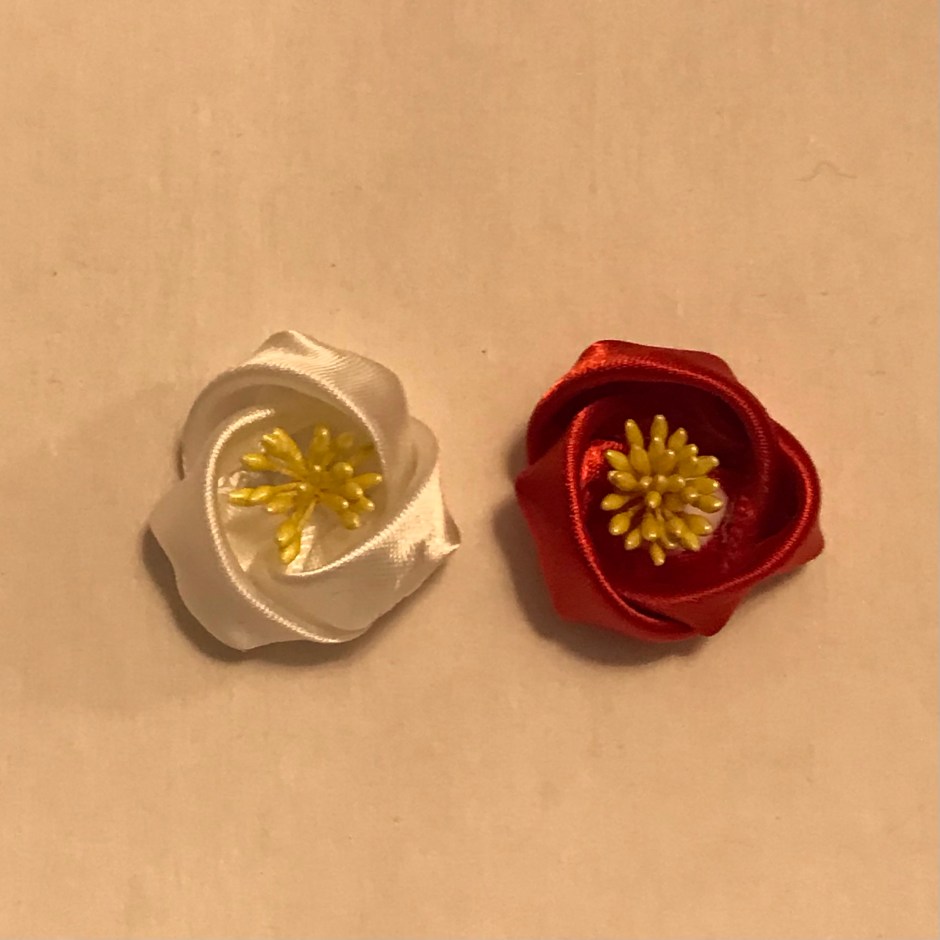
Tsubaki – Japanese Camellia-

The “tsubaki” is the Japanese camellia. It is an ancient flower mentioned in Japan’s oldest collections of poems, “The Anthology of Myriad Leaves,” about 1250 years ago.

One facet of Japanese culture that people might find interesting is “kigo,” which means seasonal words. As the name implies, these are sets of words associated with particular seasons. Kigo are often used in poetry and art to signify when the poem or painting takes place. For example, tsubaki bloom vibrant red even in the bleak, colorless winter, so if a haiku uses the word tsubaki, it is understood that it is winter-themed.

I’d like to show you how to make your own tsubaki with tsumami zaiku. Maybe you could wear it this winter!

You’ll learn a new technique for this accessory. Tsubaki need fewer parts than the previous flowers we’ve made, but the technique is a little more difficult. After some practice, I’m sure you will find your way. Remember that tsumami zaiku isn’t hard; it just takes patience. Don’t give up and enjoy making it!

How to make a Tsubaki:

You will need:

  • three 1.5 (3.8 cm) inch red cloth squares
  • one ¾ (1.9 cm) inch round paper disc (thick paper is better)
  • craft flower stamens for decorations for the center of the flower
  • glue
  • tweezers
  • wet paper towels for cleaning your fingers

Instructions:

1.Make 3 petals with Maru-tsumami. (“How to make Maru-tsumami” link here.)

2. Open up the petals before the glue dries.
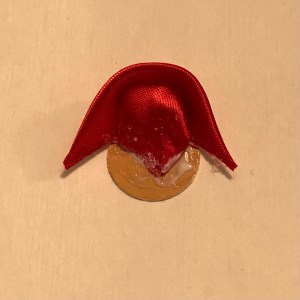
3. Glue petals on the paper disc. Put them more towards the inside of the center.
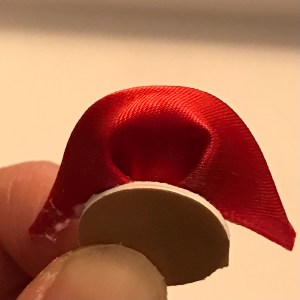
4. Put the bottom edge between the paper disc and underneath the petal before the glue on the paper disc dries.
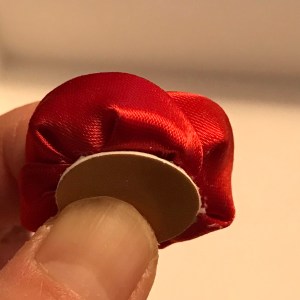
5. Put the edge of one side of the petal between the paper disc and underneath the petal beside it before the glue on the paper disc dries.

6. Glue the other side of the edge of the petal on the petal beside it while shaping the petal.

7. Bind up the craft flower stamens with wire. One characteristic of Tsubaki is its gorgeous thick stamens, so use plenty for this flower.

8. Glue the stamens to the center of the flower.

9. Let the glue dry.

10. Done!
Mizuhiki Crafts

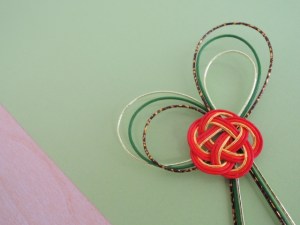
“Mizuhiki” is a thin cord made from starched Japanese paper. The starch makes them stiffer, but still bendable enough to fold and tie for decorations. Similar to how gifts are wrapped with ribbons in the west, gifts in Japan are decorated with mizuhiki designs. Some are extremely elaborate, and because of their versatility, many beautiful accessories are also created with them.

There are different stories about mizuhiki’s origin. One is that when Japanese diplomats sent to China during the Sui dynasty returned home, they brought back gifts from the Sui sealed with red and white flaxen cord. Red and white cords then began to be used to seal gifts to the Japanese imperial household, but the custom eventually spread to gifts of all kinds.

We send money in envelopes for many celebrations in Japan. These envelopes are sealed and decorated with mizuhiki. Depending on the event, there are several traditions of design. Certain colors, numbers of cords, and the method used to tie the knots are all important. Mizuhiki have also become more artistic over time, and the techniques have been used to create many stunning designs. 

Mizuhiki are a little difficult to find outside of Japan, but still you can use stiff cords to try making them. In the US, I’ve found that waxed beading cords are a bit similar, and use them in my own accessory designs.

Here is a video “2 DIY Japanese Inspired Accessories Tutorial” by “Best For Her” from YouTube.

The Coming-of-Age Day Ceremony

The second Monday in January is Coming-of-Age Day in Japan. Ceremonies are held in each city to celebrate people turning 20 years old. In Japan, people are legally considered adults at age 20, and this holiday celebrates those who become adults during the school year. 

Although the tradition has existed in one form or another since ancient times, it was made a national holiday in 1949. It was originally celebrated on January 15th, but Coming-of-Age Day was eventually changed to the second Monday in January. This gave people an extra day off over the weekend as part of Japan’s “Happy Monday System.”

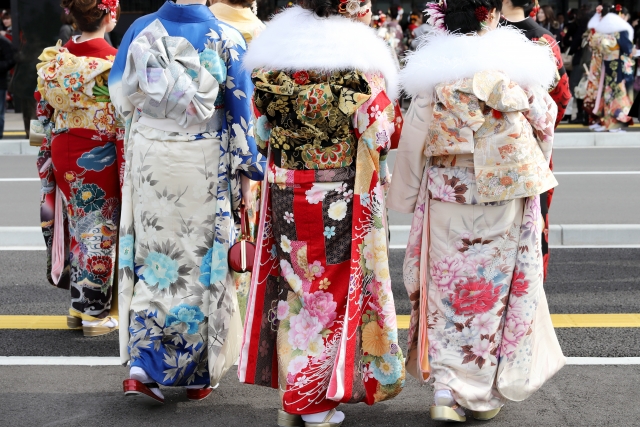
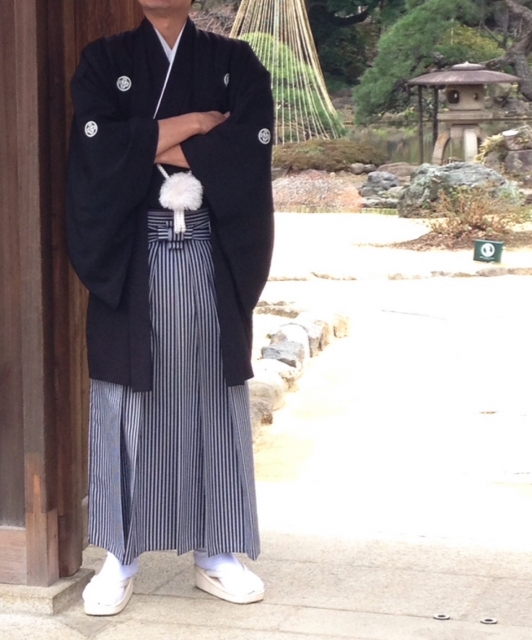
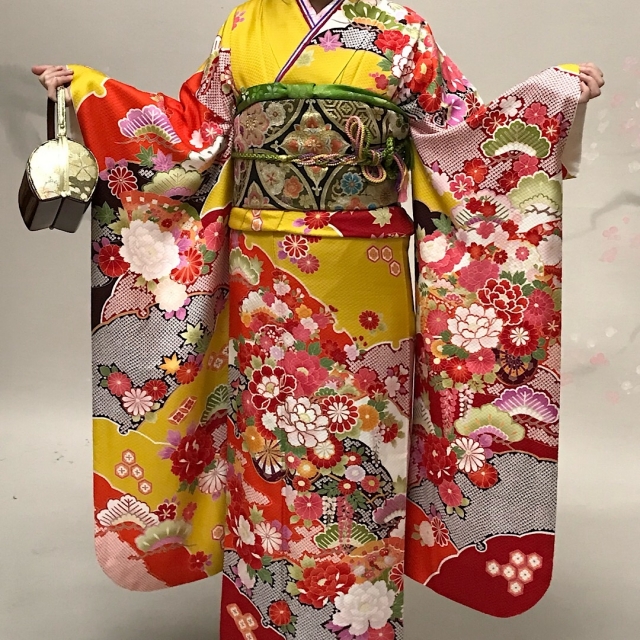
People wear formal dress for the ceremony, so Coming-of-Age Day is one of the big opportunities for us to wear traditional Japanese clothes in modern culture. Most men choose to wear a western style suit, but many don “Haori-Hakama.” For women, it’s a chance to wear bright “Furi-Sode.”  

“Haori-Hakama” is a type of kimono. “Haori” is a kind of jacket and “Hakama” is a kind of pants. The outfit is normally black, gray, and white, but some men choose to wear extremely colorful “Haori-Hakama” for their ceremony.

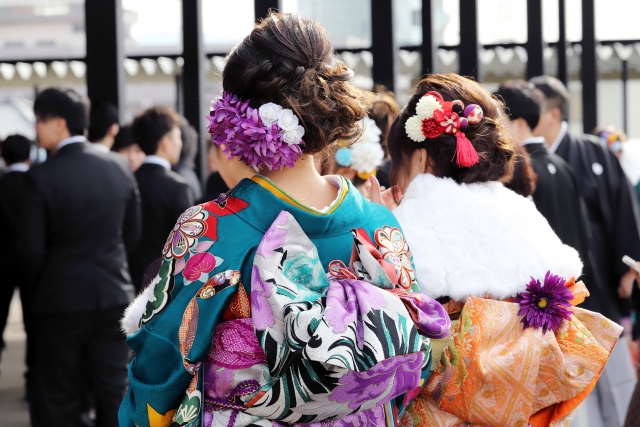
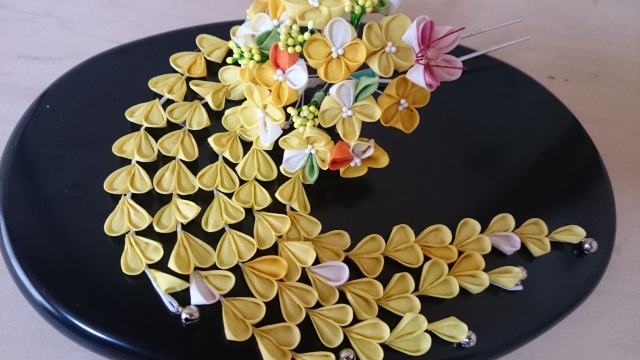
“Furi-Sode” is a type of kimono for young women traditionally associated with purity. “Furi” means swing and “Sode” means sleeve. The outfit has very long sleeves that swing when you move. The sleeves are used to display even more of the kimono’s beautiful patterns, which makes this version extra gorgeous and elegant. Accessories are also important to add a woman’s charm, so “Tsumami-Zaiku” hair ornaments are an important part of Coming-of-Age Day in Japan.

The ceremonies are very large events held in public places like gyms and concert halls, so many cities are cancelling them this year because of the Coronavirus. I really enjoyed Coming-of-Age Day in Japan, and I feel very sorry for those who are going to miss out. I hope that we will be able to have the ceremony next year, though.  

Stay safe, everyone!

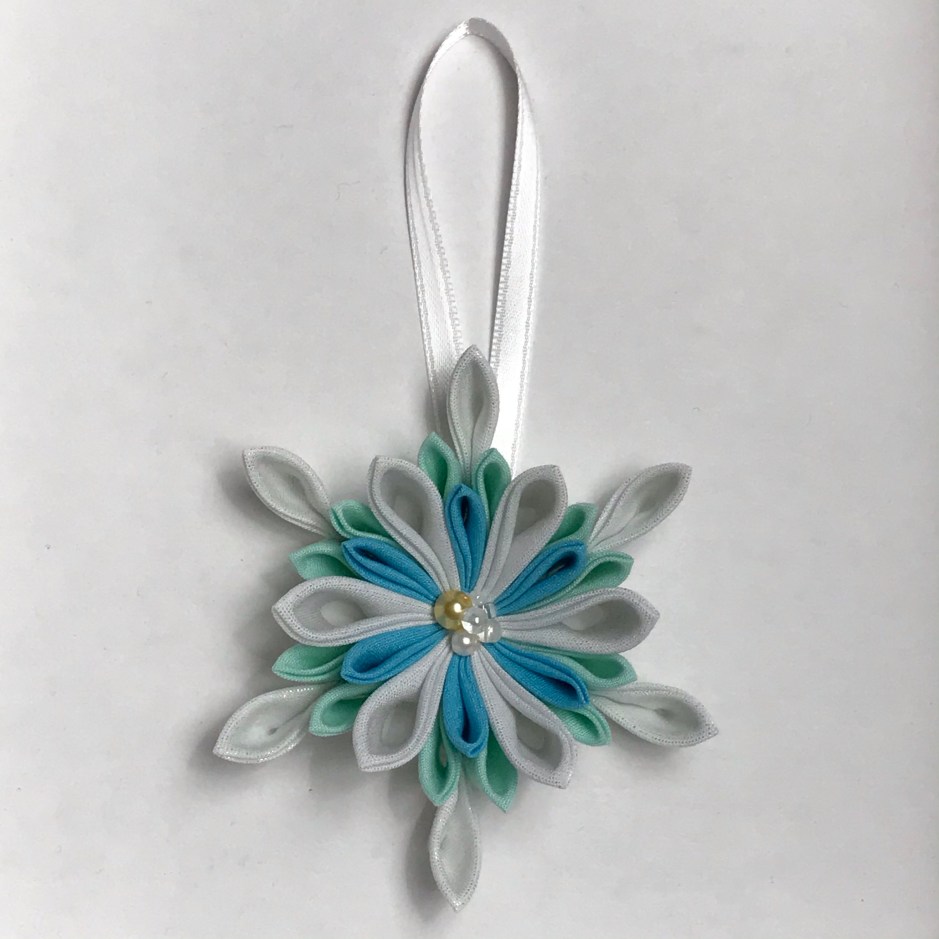
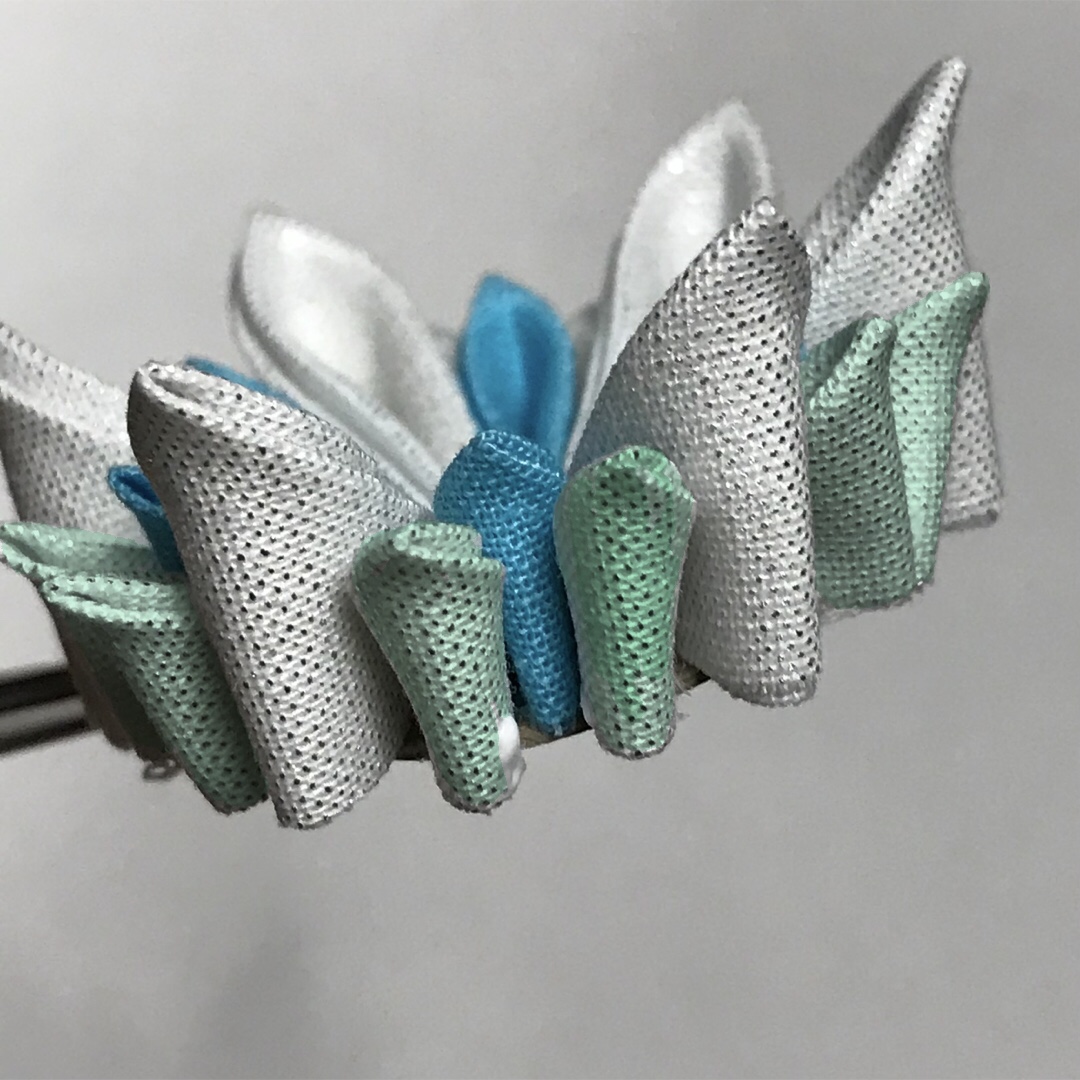
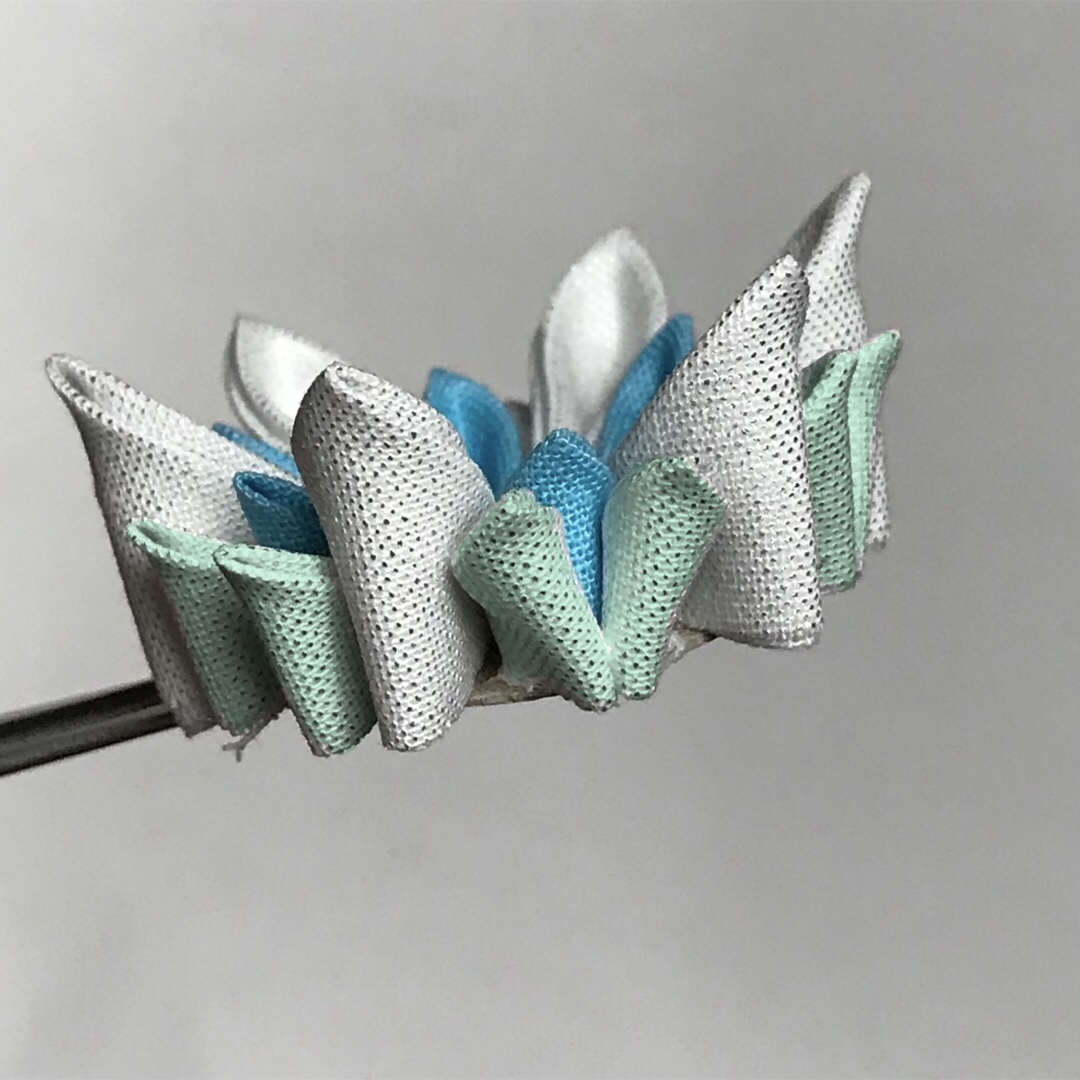
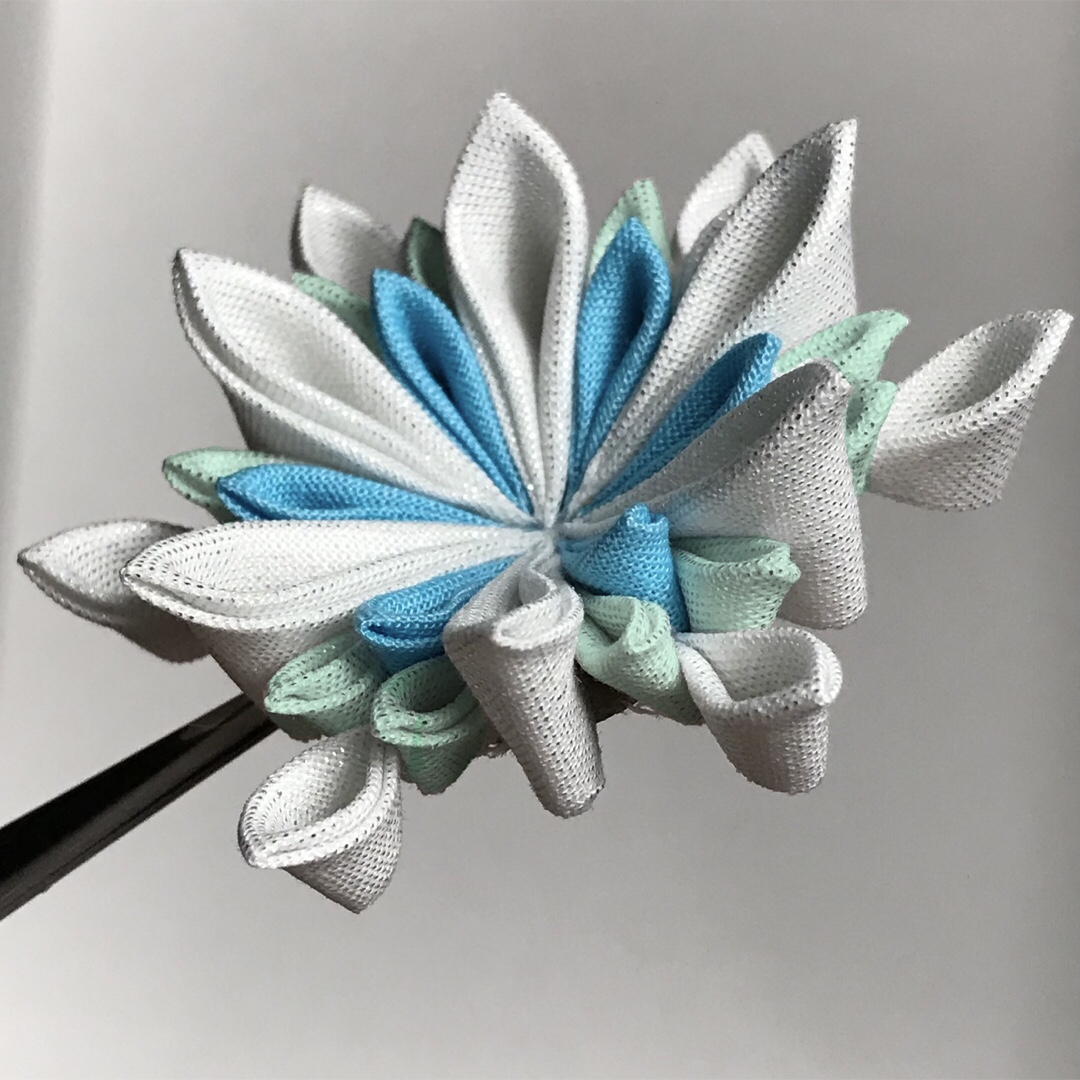
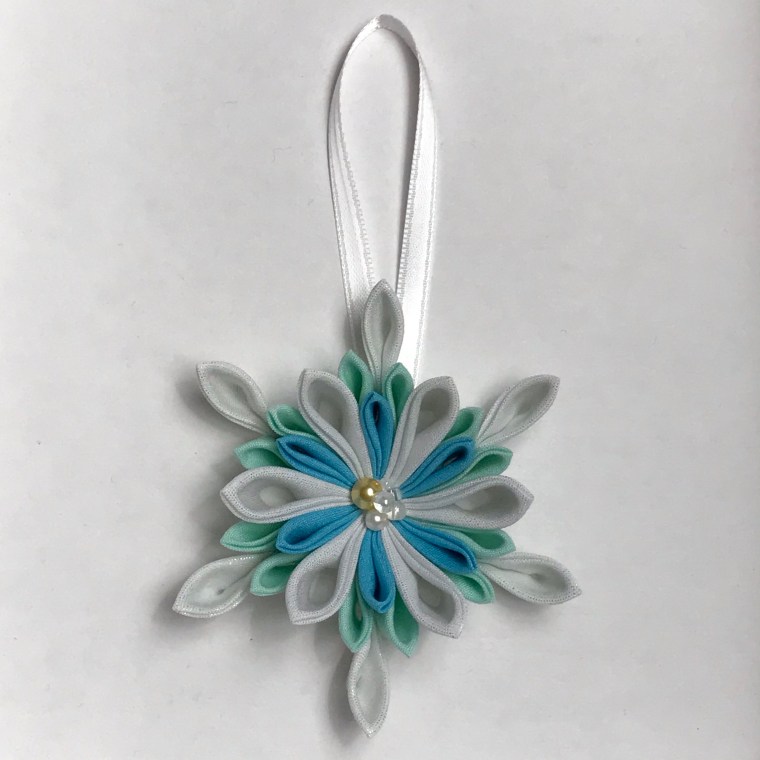
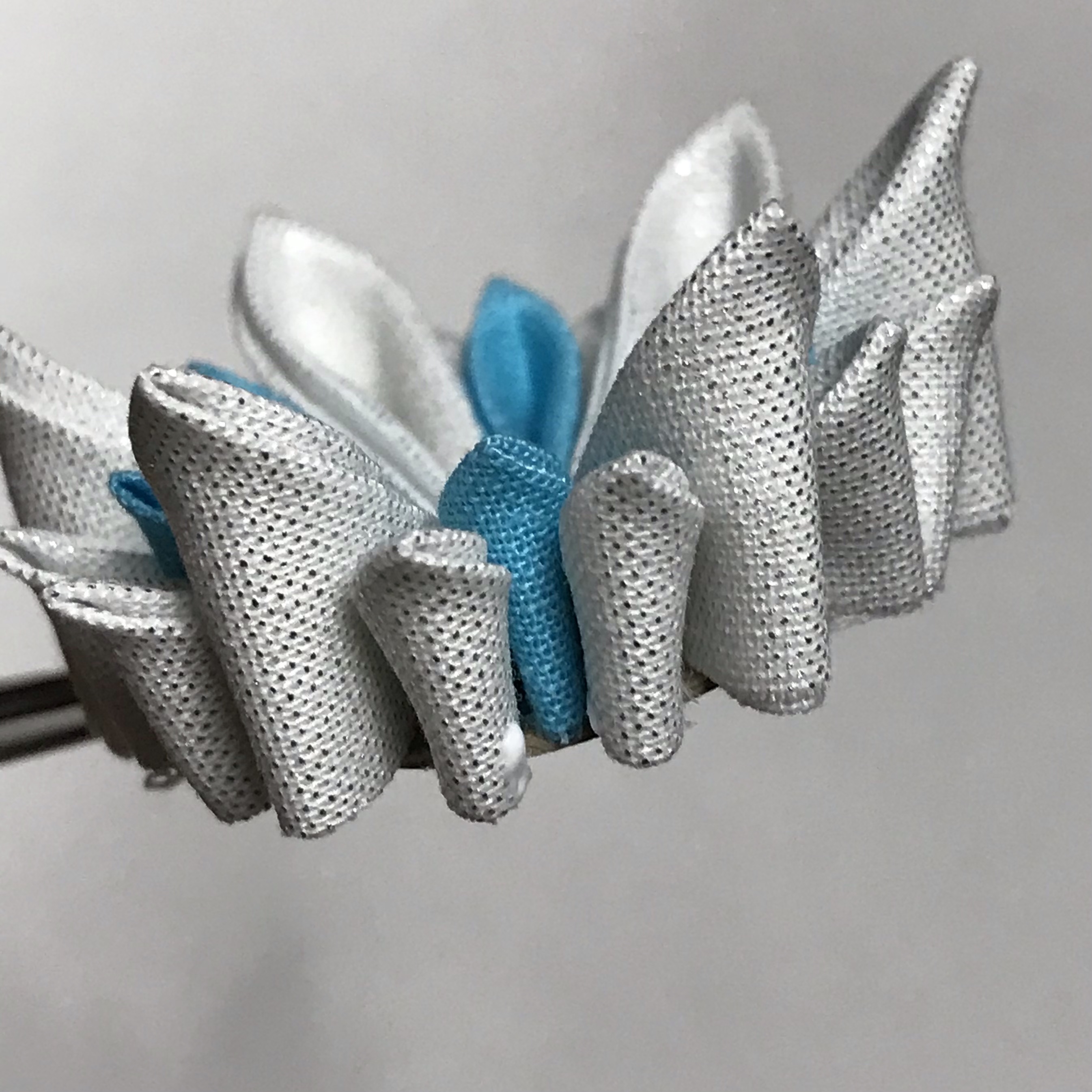
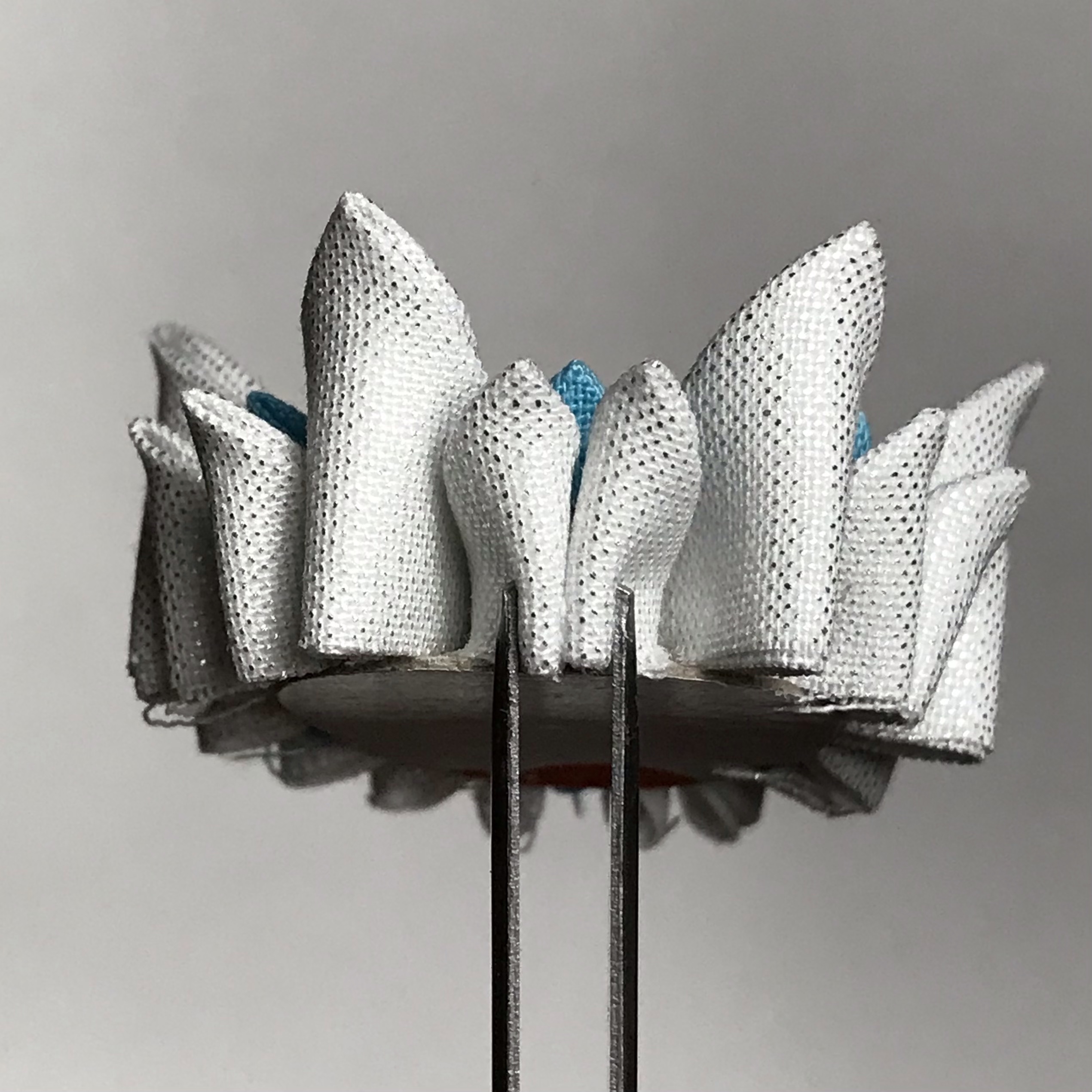
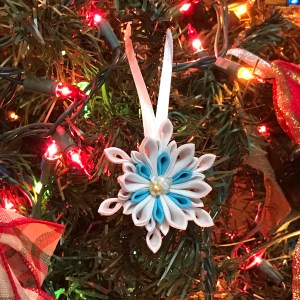
Making a snowflake ornament with Ken-tsumami vol.2

Creates about 3.5 inch (9cm) snowflake

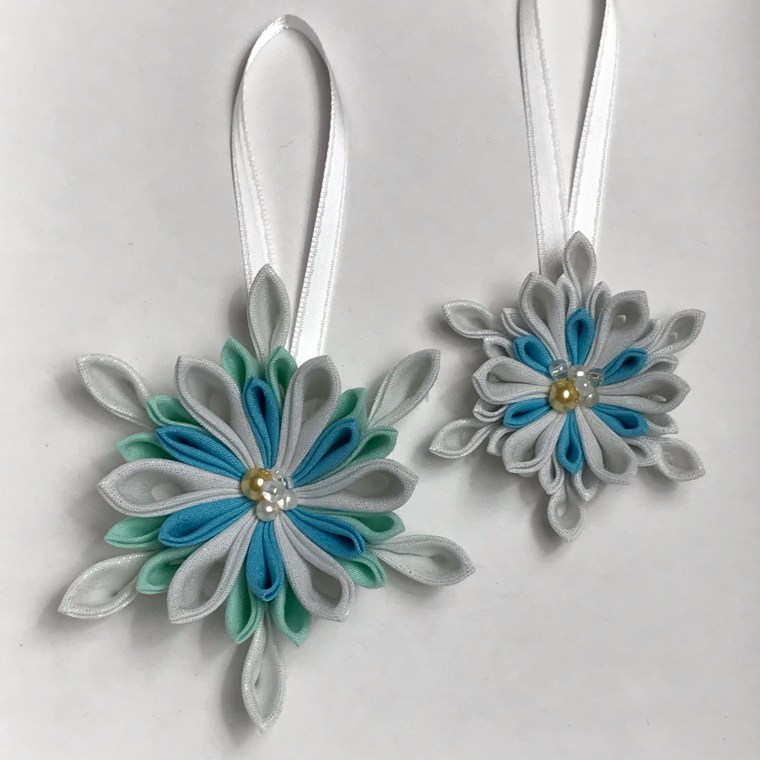
Last time, I made a 2.5 inch (6cm) snowflake ornament. This time, I’m going to share a bigger sized snowflake ornament with the same shape. The way you make it is almost the same. I added one more color to the snowflake, and the cloth sizes are bigger.

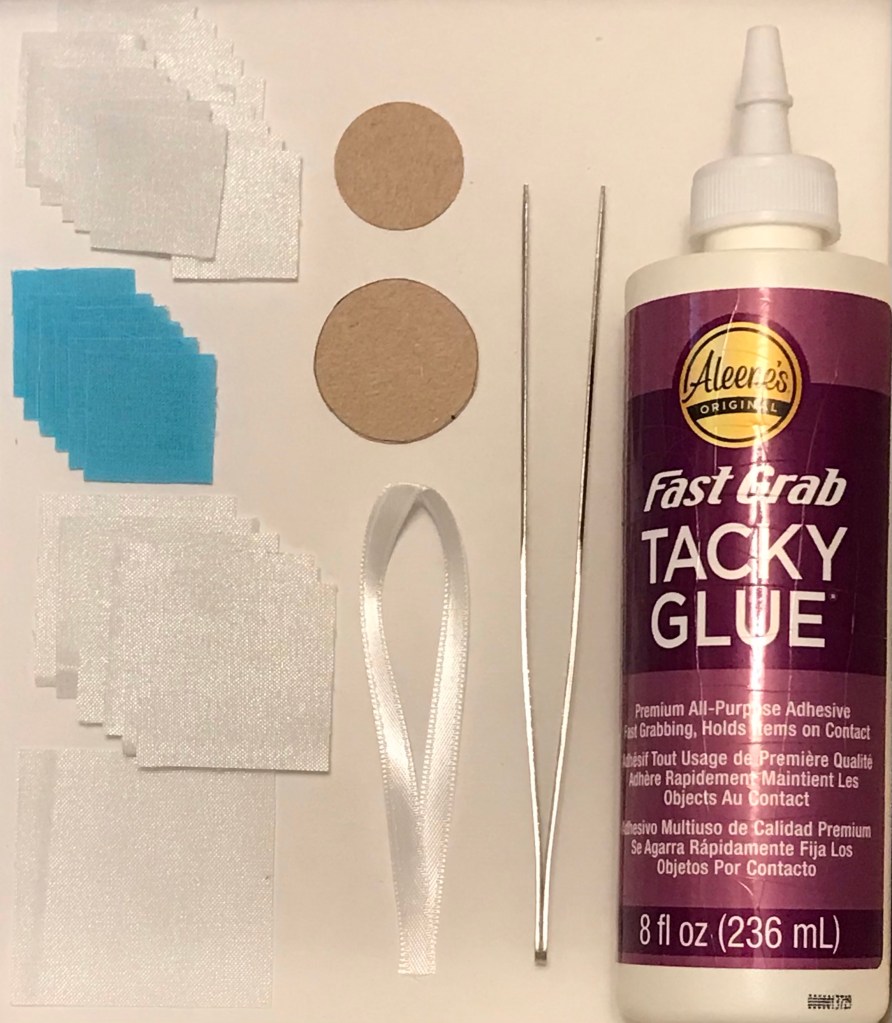
You’ll need:

  • six 1.5 inch (3.8 cm) white cloth squares – (A)
  • twelve 1.5 inch (3.8 cm) green cloth squares – (B)
  • six 1.5 inch (3.8 cm) blue cloth squares – (C)
  • six 2 inch (5 cm) white cloth squares – (D)
  • one 3 inch (7.5 cm) white cloth square
  • decorations for the center of the flower (I use beads and craft flower stamens)
  • one 1 inch (2.5 cm) round paper disc (thick paper is better. I use a carton board I cut from things like cereal boxes)
  • one 1.5 inch (3.8cm) round paper disc (thick paper is better)
  • one 8 inch (20 cm) ribbon or string
  • glue
  • tweezers (You don’t need tweezers, but it’s much easier with them)
  • wet paper towels for cleaning your fingers

Instructions:

1. Make 6 white parts with (A), 12 green parts with (B), 6 blue parts with (C) and 6 white parts with (D) with the “Ken-tsumami” method.

2. Put glue on your 1 inch (2.5 cm) paper disc and place your (D) parts uniformly around the center.

(Hint: draw lines on your disc so you know where to place your petals.)

3. Before the glue gets completely dry, place your (C) parts between the (D) parts. You might need to put some glue on the bottom of (C) parts if the glue on your disc gets dry.

4. Reshape it before the glue dries. (Because they may move around in the wet glue.)

5. Put glue over half of the bottom of your (B) parts, and place them on your paper disc between each (C) and (D) parts.

6. Put a little glue between the bottom of the (B) parts you just glued, and put them together by squeezing them a little.

7. Put glue on 1/3 of the bottom on your (A) parts and place them between the (B) parts you just squeezed.

8. Make a board for the back side. Put glue on your 1.5 inch (3.8cm) paper disc and place it on the center of your 3 inch (7.5 cm) white cloth square with glue side down.

9. Cut off the corner of the cloth so it becomes round, put glue on the cloth, and wrap it around the paper disc.

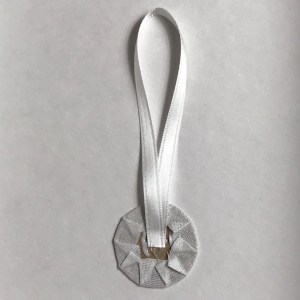
10. Fold your ribbon (or string) in half. Place its ends on the center of the board you just made and glue it.

11. Put more glue on the board to glue it on the back of your snowflake. You need to decide which side is up before you glue, so be careful!

12. Finally, put glue on the center of your snowflake and place it on your decoration.

13. Congratulations!!! Done!

This time, I made a 3.5 inch (9cm) snowflake ornament, but if you change the sizes of clothes, you can make it bigger or smaller. You can also make it into a pin or a hair ornament by using a pin or a clip instead of a ribbon or string. Enjoy your creation!

bigger snowflake: 3.5 inch (9 cm)

smaller snowflake: 2.5 inch (6 cm)

Making a snowflake ornament with Ken-tsumami

Creates about 2.5 inch (6cm) snowflake

Christmas is coming! This time, I’m going to share how to make a snowflake ornament with Tsumami-zaiku. You need to make lots of parts this time, but the basic method is always the same, so don’t worry! You can do it!

You’ll need:

  • eighteen 1 inch (2.5 cm) white cloth squares – (A)
  • six 1 inch (2.5 cm) blue cloth squares – (B)
  • six 1.5 inch (3.8 cm) white cloth squares – (C)
  • one 2 inch (5 cm) white cloth square
  • decorations for the center of the flower (I use beads and craft flower stamens)
  • one 1 inch (2.5 cm) round paper disc (thick paper is better. I use a carton board I cut from things like cereal boxes)
  • one 1.2 inch (3cm) round paper disc (thick paper is better)
  • one 8 inch (20 cm) ribbon or string
  • glue
  • tweezers (You don’t need tweezers, but it’s much easier with them)
  • wet paper towels for cleaning your fingers

Instructions:

1. Make 18 white parts with (A), 6 blue parts with (B) and 6 white parts with (C) with the “Ken-tsumami” method. (“How to make Ken-tsumami” link here.)

2. Put glue on your 1 inch (2.5 cm) paper disc and place your (C) parts uniformly around the center.

(Hint: draw lines on your disc so you know where to place your petals.)

3. Before the glue gets completely dry, place your (B) parts between the (C) parts. You might need to put some glue on the bottom of (B) parts if the glue on your disc gets dry.

4. Reshape it before the glue dries. (Because they may move around in the wet glue.)

5. Put glue over half of the bottom of your (A) parts, and place them on your paper disc between each (B) and (C) parts. You should have 6 (A) parts left.

6. Put a little glue between the bottom of the (A) parts you just glued, and put them together by squeezing them a little.

7. Put glue on 1/3 of the bottom on your left (A) parts and place them between the (A) parts you just squeezed.

8. Make a board for the back side. Put glue on your 1.2 inch (3cm) paper disc and place it on the center of your 2 inch (5 cm) white cloth square with glue side down.

9. Cut off the corner of the cloth so it becomes round, put glue on the cloth, and wrap it around the paper disc.

10. Fold your ribbon (or string) in half. Place its ends on the center of the board you just made and glue it.

11. Put more glue on the board to glue it on the back of your snowflake. You need to decide which side is up before you glue, so be careful!

12. Finally, put glue on the center of your snowflake and place it on your decoration.

13. Congratulations!!! Done!

This time, I made a 2.5 inch (6cm) snowflake ornament, but if you change the sizes of clothes, you can make it bigger or smaller. You can also make it into a pin or a hair ornament by using a pin or a clip instead of a ribbon or string. Once I make a bigger snowflake ornament for my own Christmas tree, and I’ll share the plans with everyone! See you then!

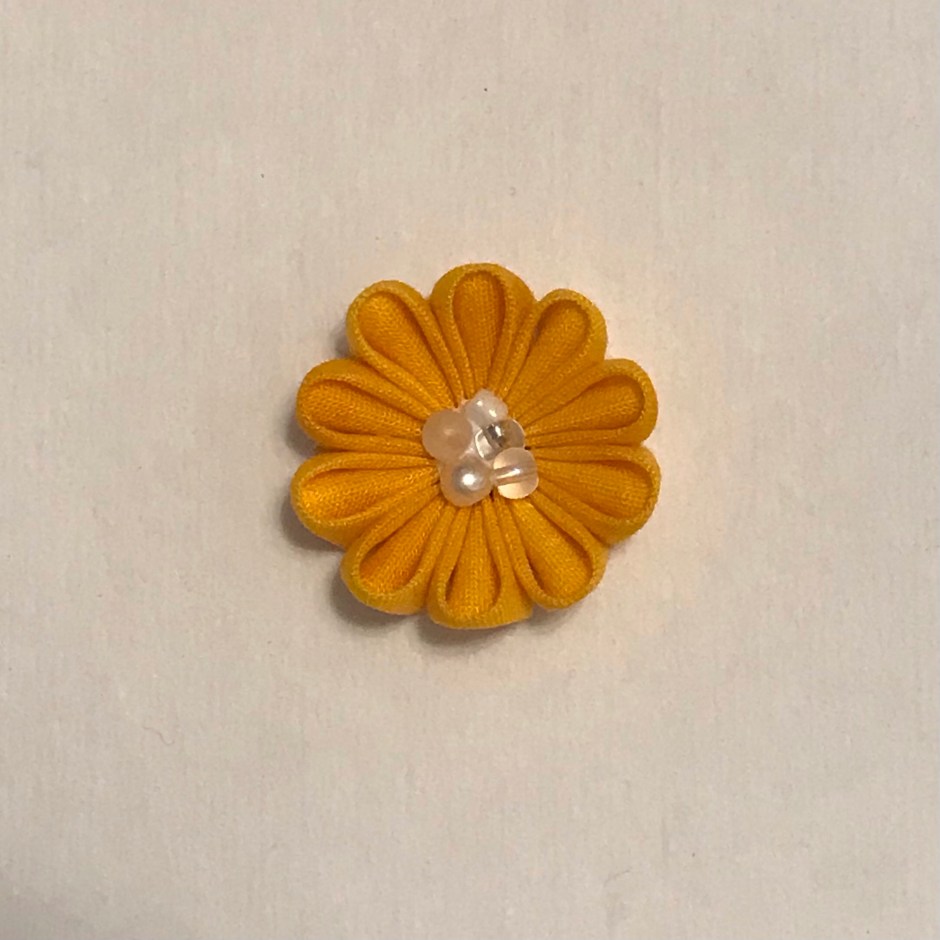
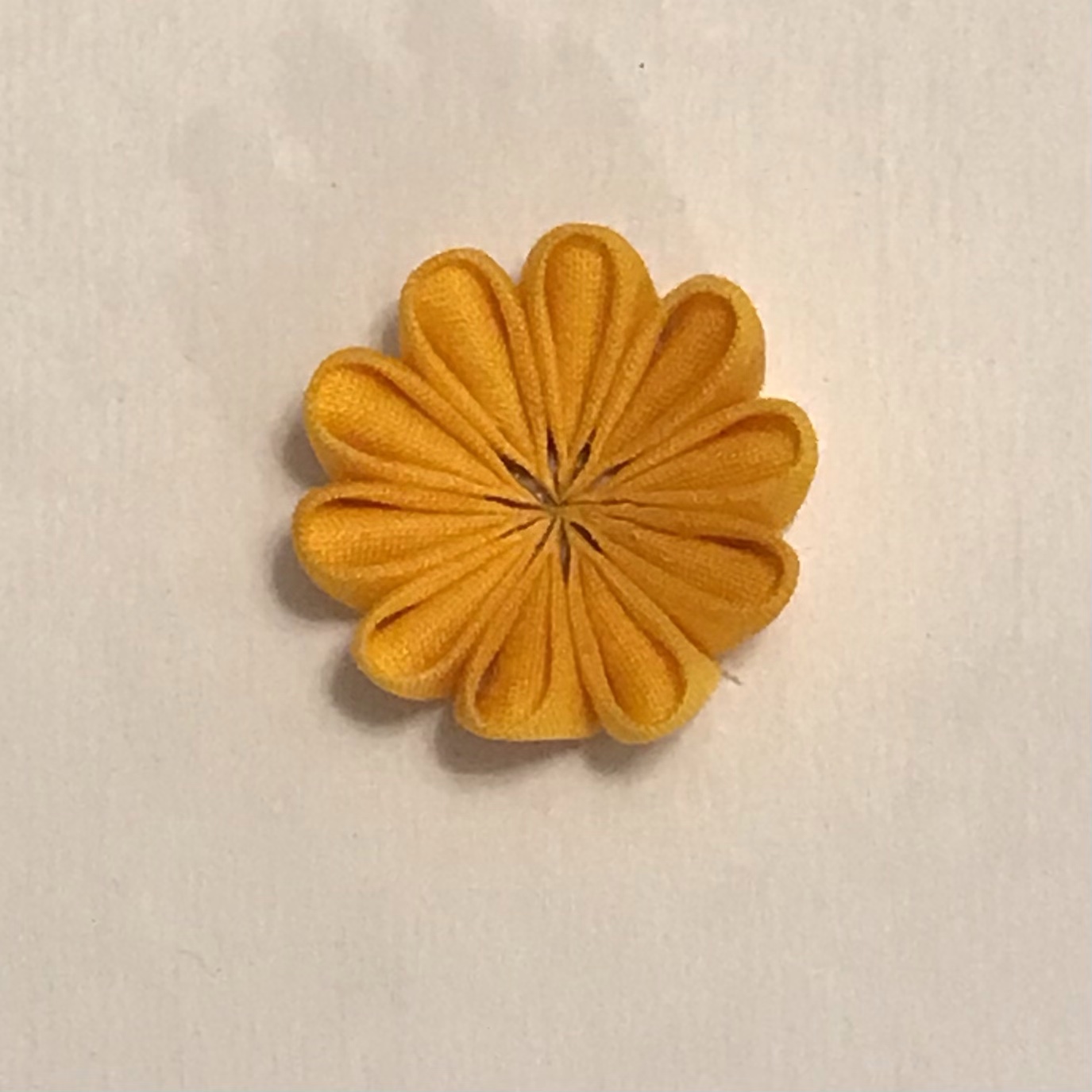
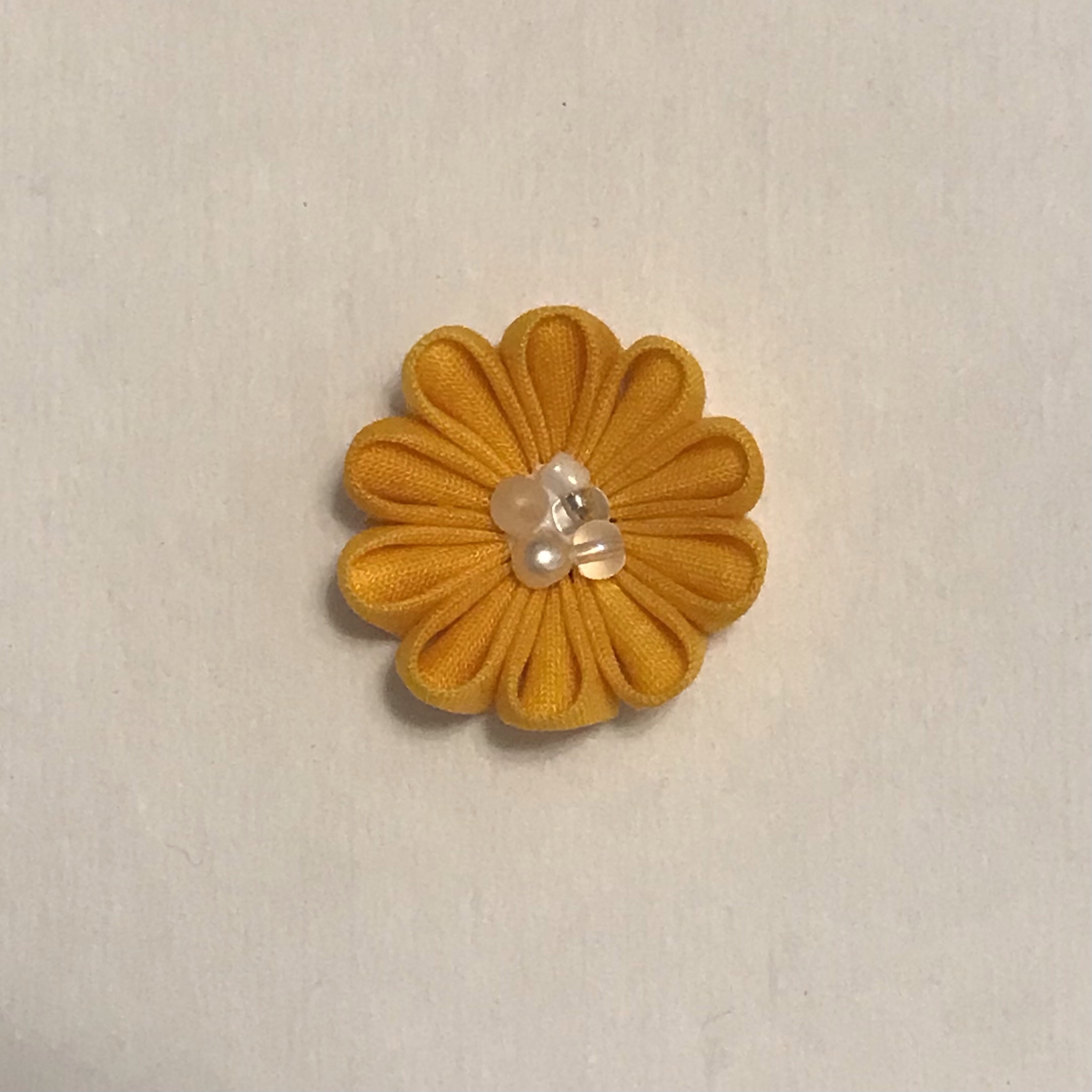
Making a Simple 10 Petal Flower with Maru-tsumami.

Creates about a 1 ¼ inch (3 cm) flower

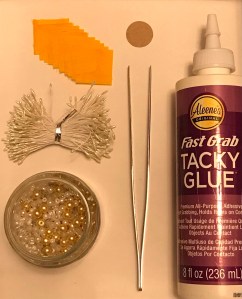
You need:

  • 10 1 inch (2.5 cm) cloth squares
  • decoration for the center of the flower (I use beads and craft flower stamens)
  • 1 ¾ inch (2 cm) round paper disc (thick paper is better. I use a carton board I cut from things like cereal boxes)
  • glue
  • tweezers (You don’t need tweezers, but it’s much easier with them)
  • wet paper towels for cleaning your fingers

How to make:

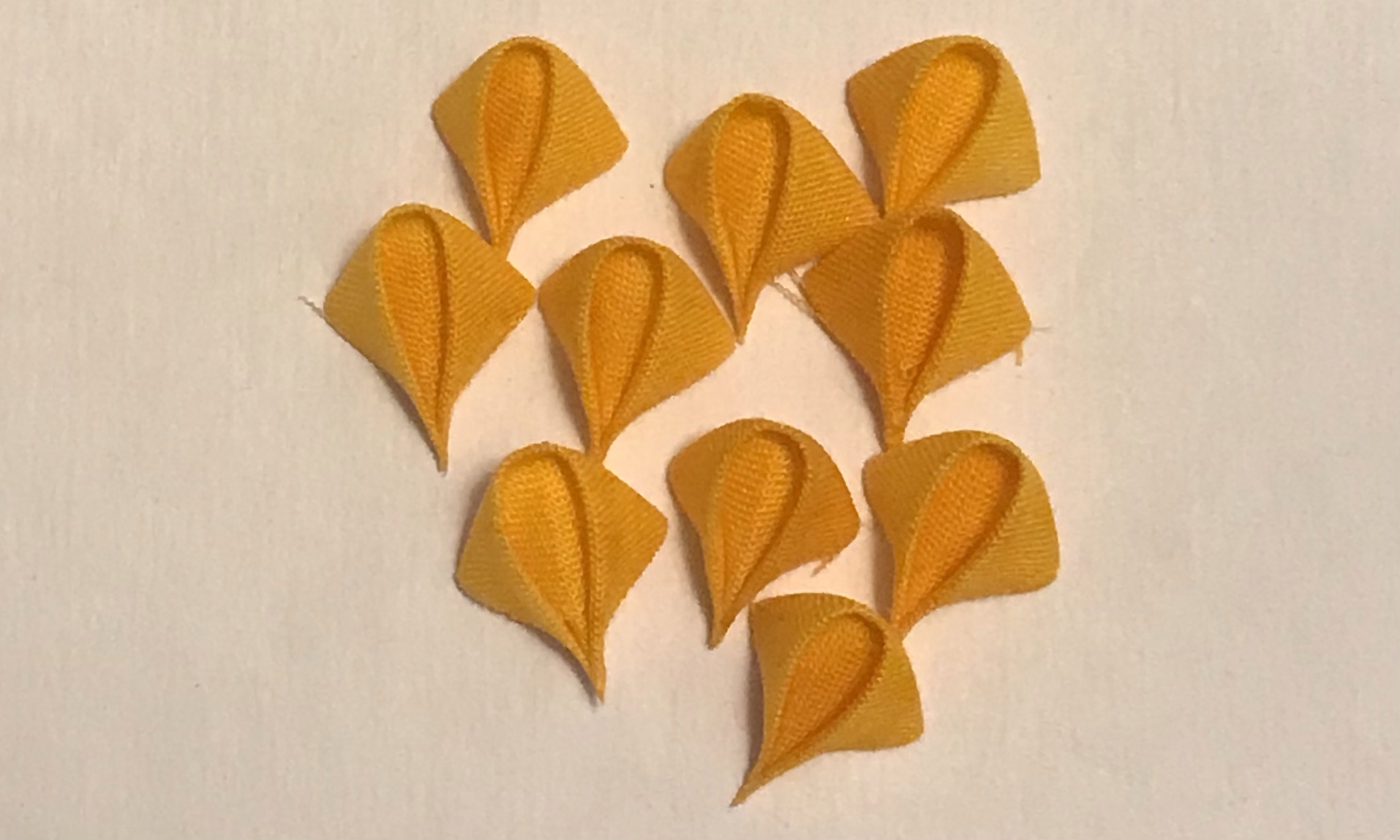
  1. Make 10 petals with Maru-tsumami.

“How to make Maru-tsumami” link here.

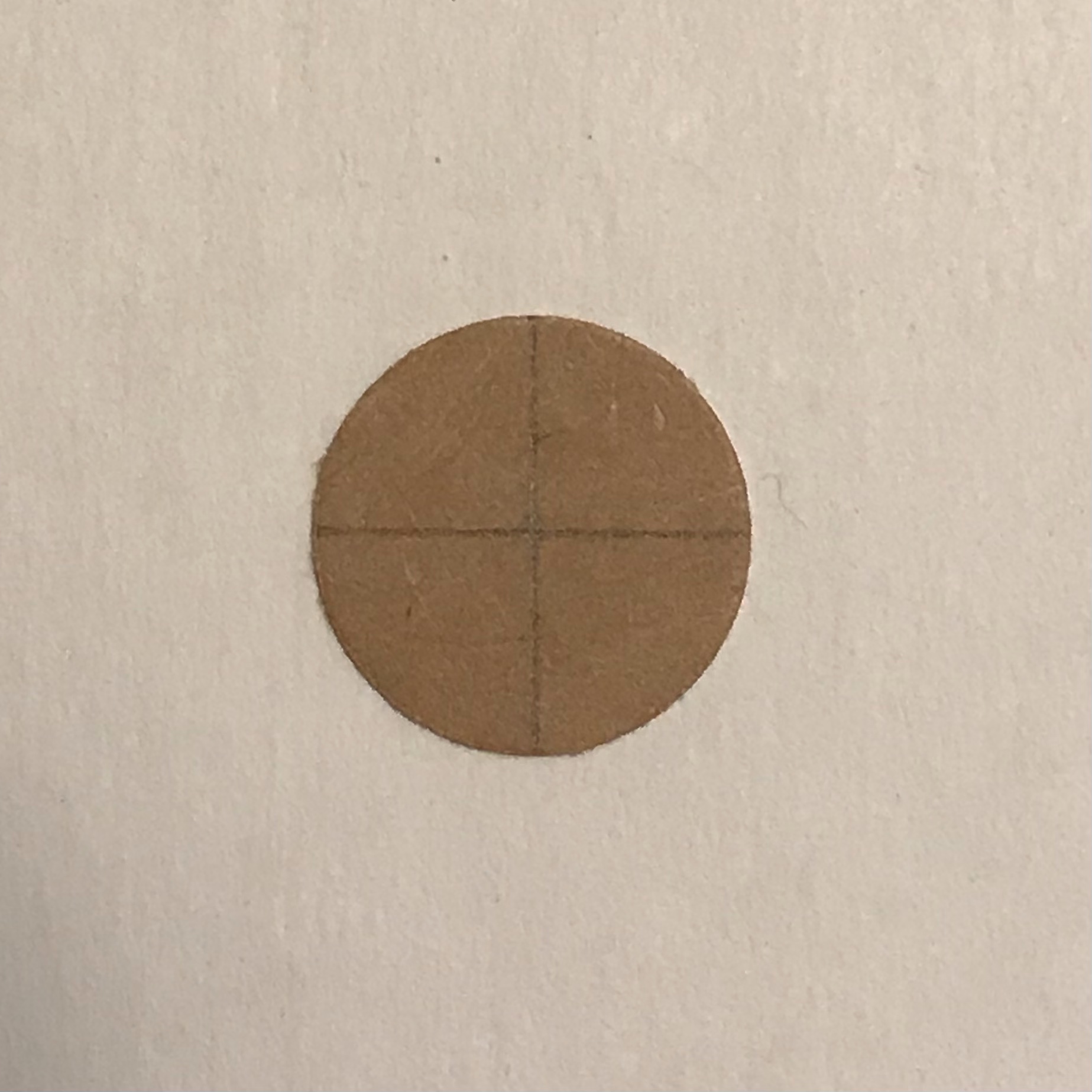
2. Put glue on your paper disc and place your petals uniformly around the center.

Hint: Draw lines on your disc so you know where to place your petals.

3. Reshape the flower before the glue dries.

Because they may move around in the wet glue.

4. Let the glue dry completely.

5. Put glue on the center of your flower and place your decoration.

6. Let the glue dry.

7. Done!
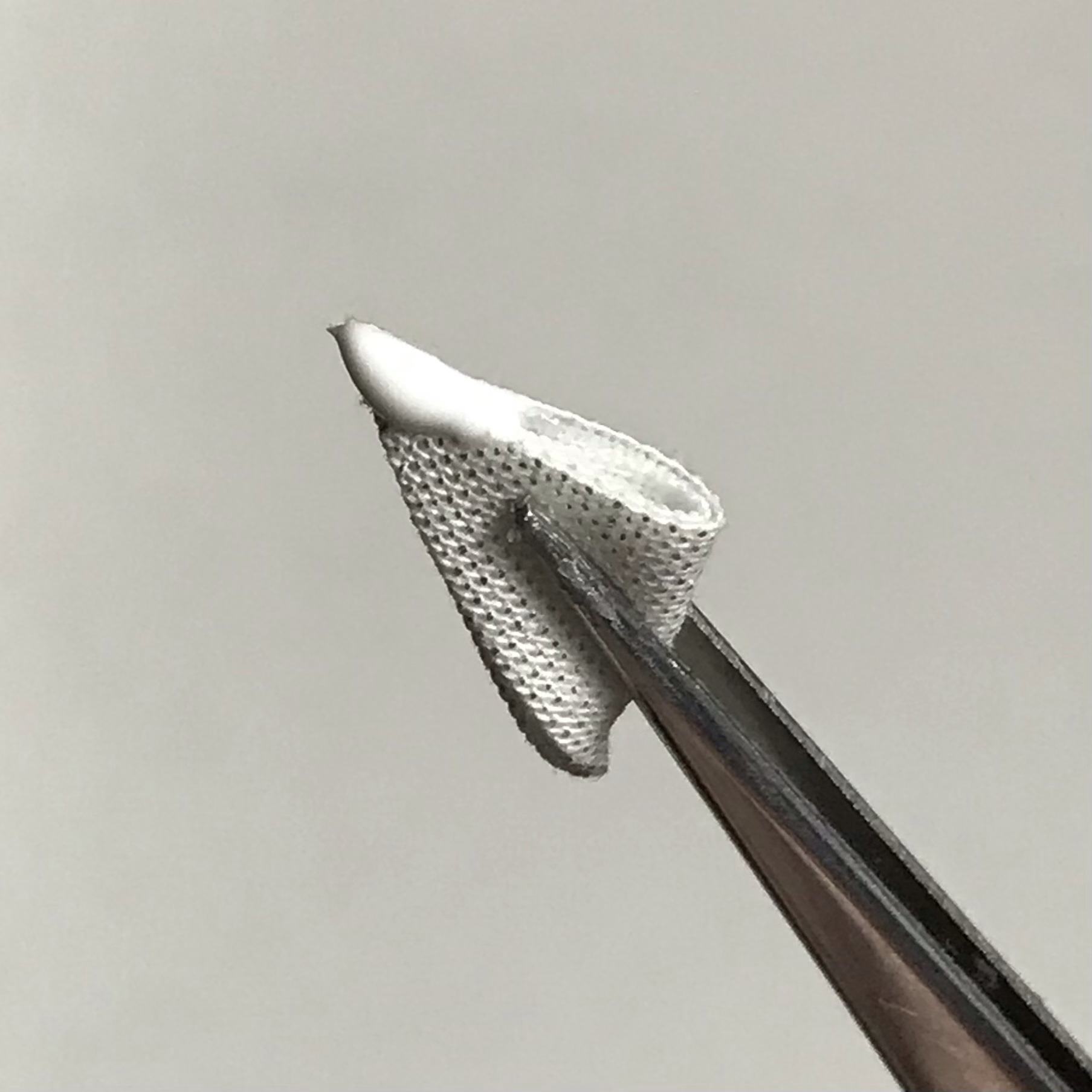
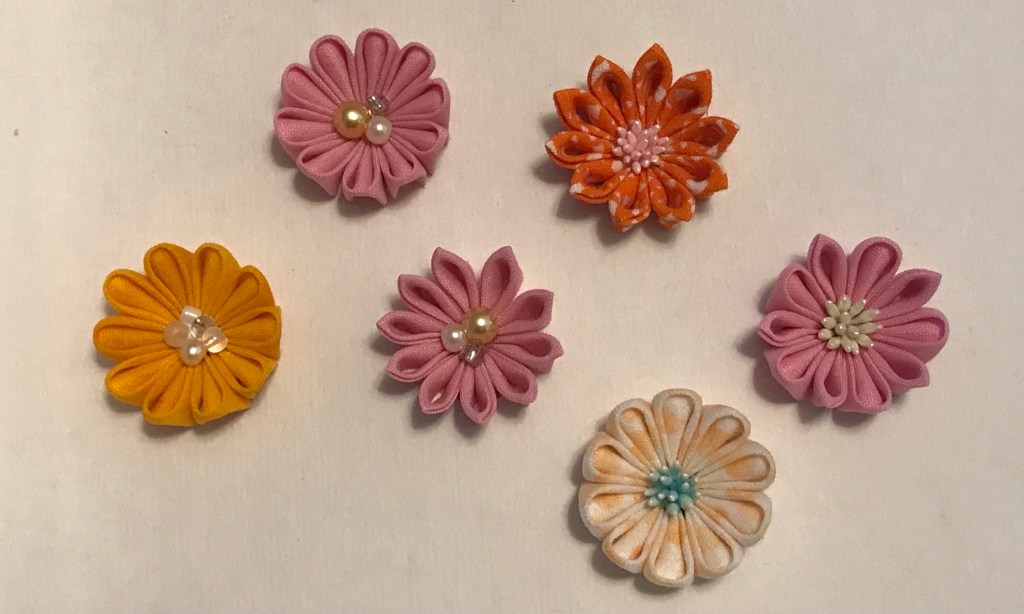
You can also make your flower with Ken-tsumami. (“How to make Ken-tsumami” link here.) A combination of both methods is beautiful too! Enjoy making your own original flowers with Tsumami-zaiku!
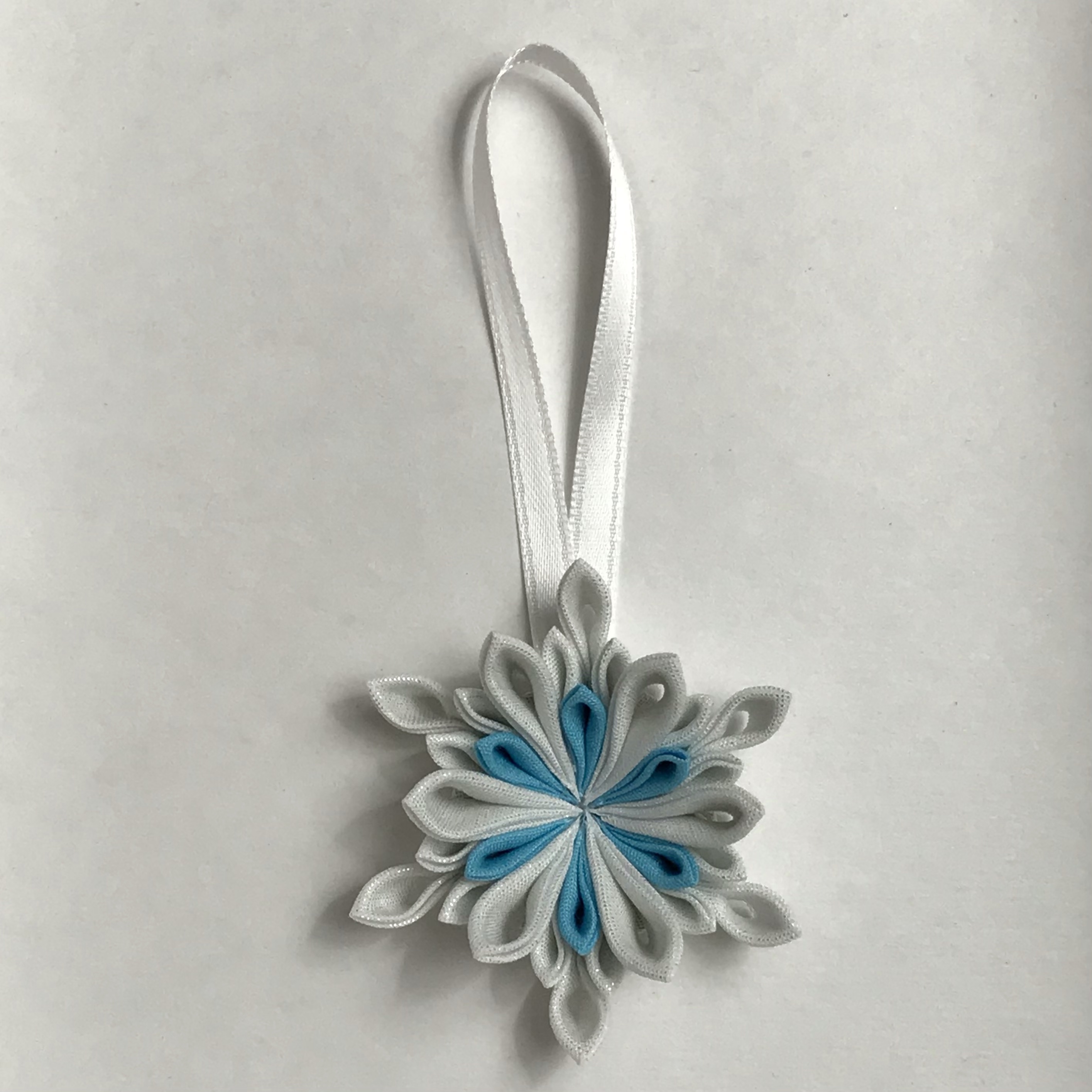
How to Make “Ken-tsumami”

You will need 

  • square cloths (1.5 inch squares are easy to start.)
  • glue ( I use Aleene’s “Fast Grab Tacky Glue,” but you can use any glue that works for fabric )
  • tweezer (you don’t need them, but they make things a lot easier. )
  • wet tissue (for cleaning your fingers after using the glue)

Making “Ken-tsumami”

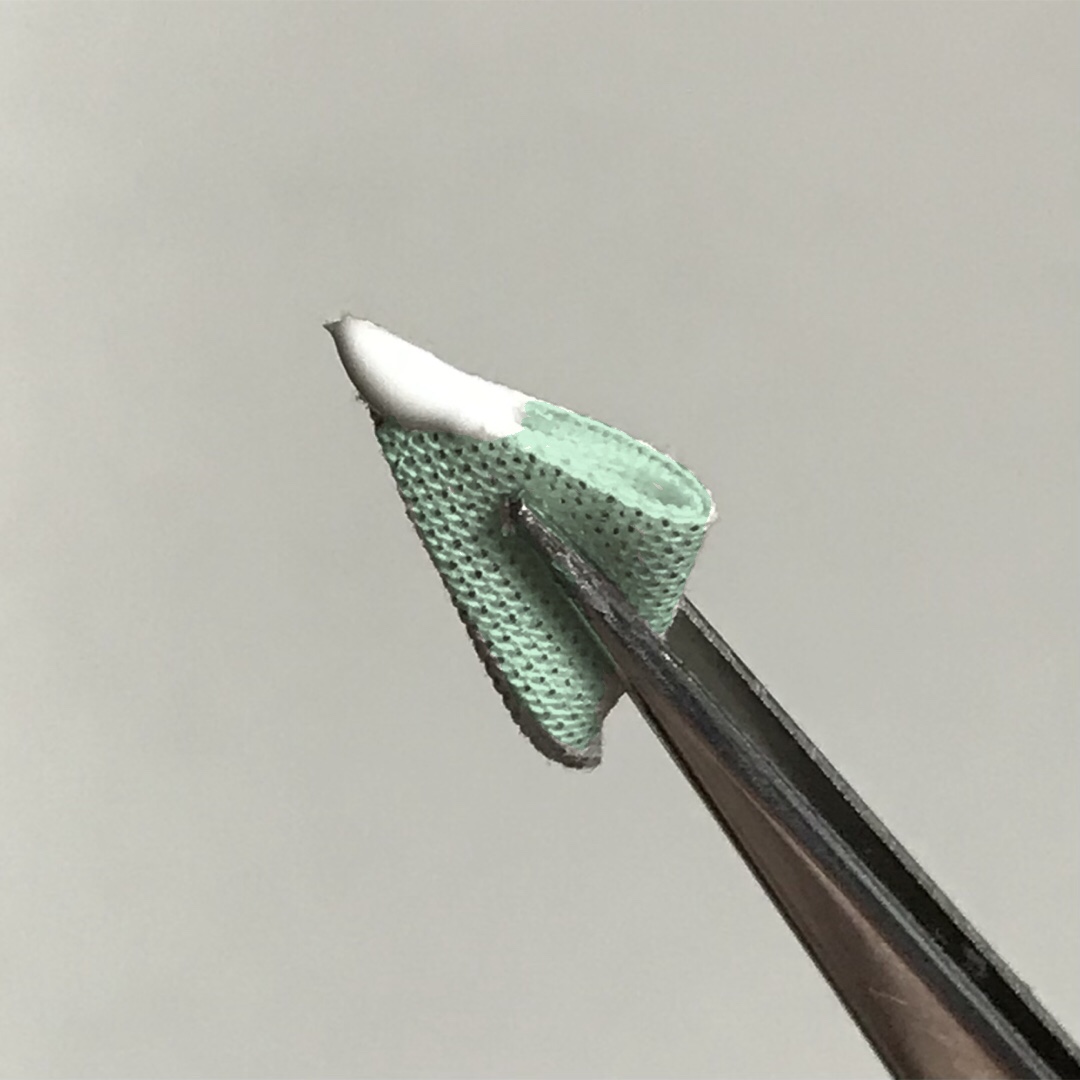
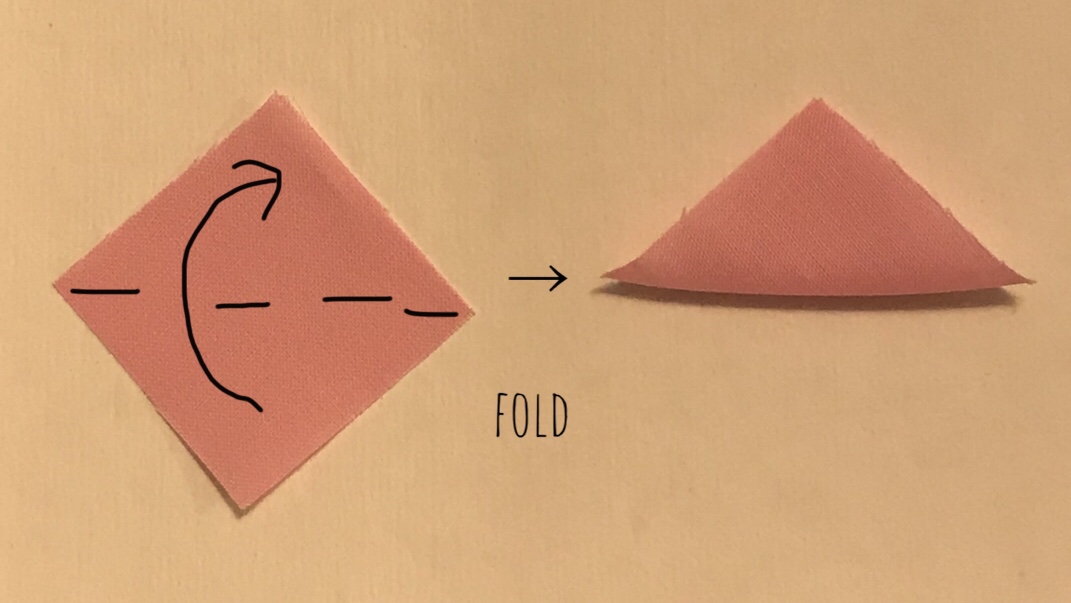
  1. First, make a triangle by folding a square cloth half.

2. Next, fold it in half again to make a smaller triangle.

3. Fold it half again to make an even smaller triangle.

4. Glue at the bottom.

5. Wait until the glue dries enough. (It doesn’t need to be completely dry, just enough to keep its shape.)

6. Shape the petal.

7. Extra! This depends on what kind of flower you are making, but you can open up the bottom part to make a petal wide.

8. Now, just repeat the steps until you make as many petals as you need for your flower. 

Now that your petals are ready, you’re ready to make beautiful tsumami-zaiku!

How to Make “Maru-tsumami”

You will need 

  • square cloths (1.5 inch squares are easy to start.)
  • glue ( I use Aleene’s “Fast Grab Tacky Glue,” but you can use any glue that works for fabric )
  • tweezer (you don’t need them, but they make things a lot easier. )
  • wet tissue (for cleaning your fingers after using the glue)

Making “Maru-tsumami”

1. First, make a triangle by folding a square cloth half

2. Then, fold it in half again to make a smaller triangle.

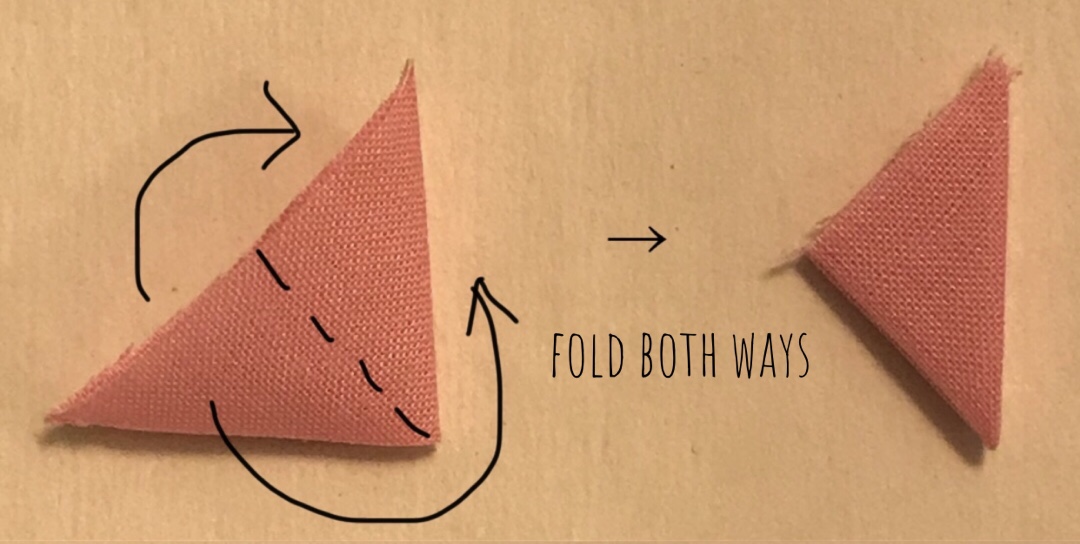
3. Fold it half again, but both ways this time.

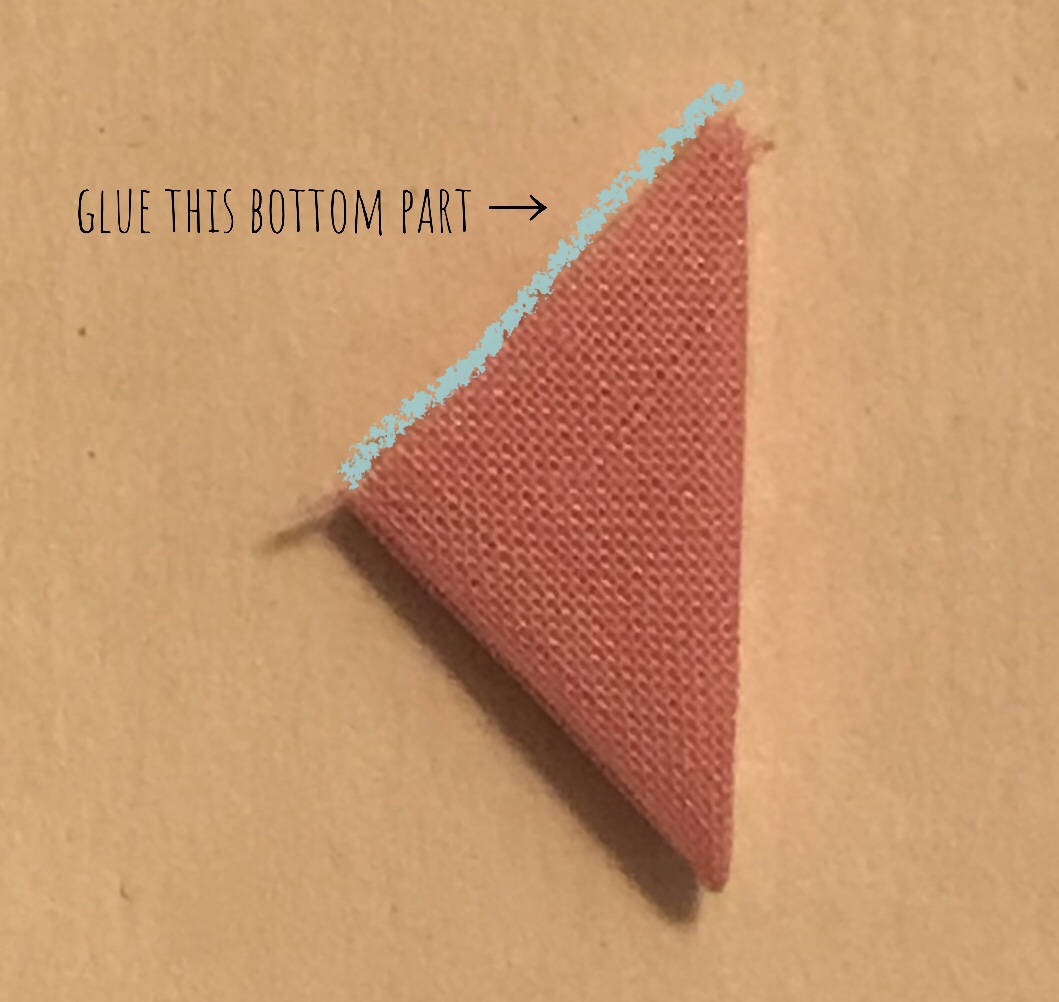
4. Glue at the bottom part.

5. Wait until the glue dries enough. (It doesn’t need to be completely dry, just enough to keep its shape.)

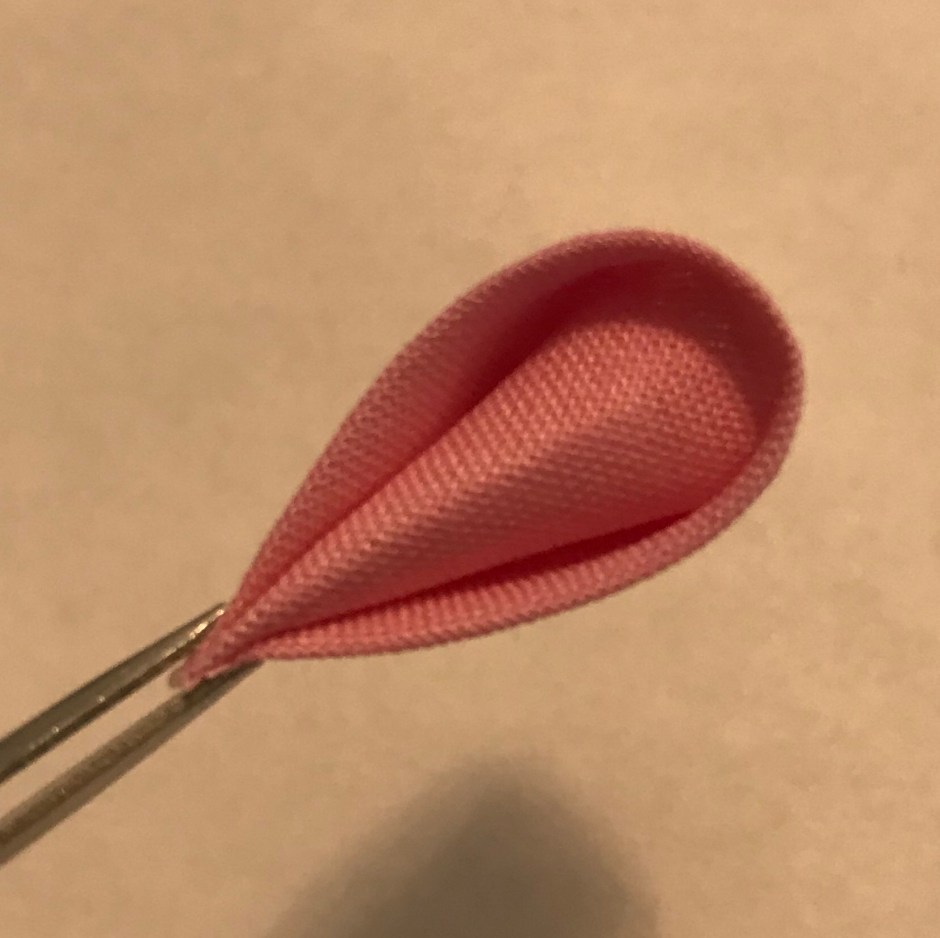
6. Shape the top round part to make a petal.

7. Extra! This depends on what kind of flower you are making, but you can open up the bottom part to make a petal wide.

8. Now, just repeat the steps until you make as many petals as you need for your flower.

Now that your petals are ready, you’re ready to make beautiful tsumami-zaiku!

Japanese plum “Ume”

“Ume”, which is in my family name, is a very familiar plant for Japanese. We love not only flowers but also fruits.

“Ume” is a Japanese plum. It came from China about 1500 years ago. After that, there have been breed improvements, and there are more than 300 breeds now. “Ume” blooms and flowers even in the cold weather of the end of winter and tells us the arrival of spring, so “Ume” is also familiar as auspicious in Japan.

The fruit is edible. However, the underripe fruit is toxic so you need to do the processing. “Ume-boshi” is one of the most famous Japanese traditional foods and it is made by salting. We also make plum wine and syrup.

“Ume” fruit is rich in organic acids. People in the past treated it as a medicine sometimes because they knew its effects of recovery from physical exhaustion and disinfection.

To make a “Ume” flower, you need to prepare 5 petals with “Maru-tsumami”.  (Click here for my post on how to do maru-tsumami!)

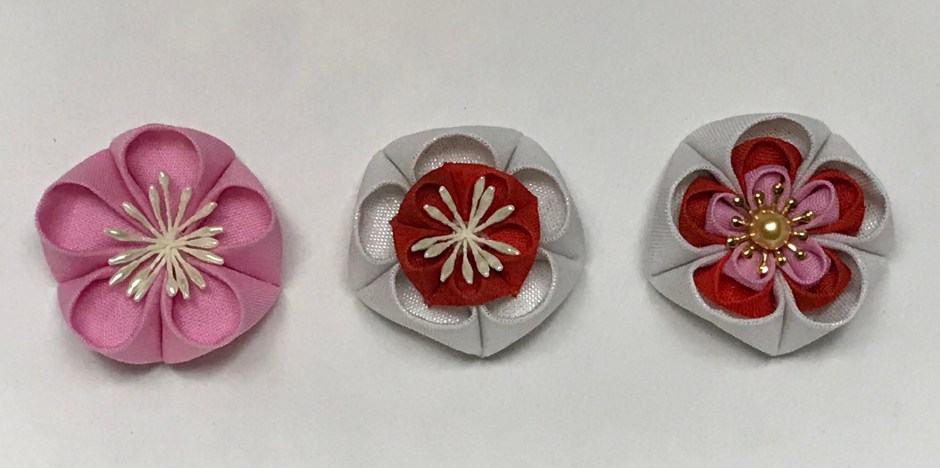
You can make it double or triple by putting a smaller flower inside of it. You can arrange the direction of your smaller flower inside. You can put your smaller petals in the same place as bigger petals or between bigger petals.

I think that the stamens are the most important part to make a “Ume” flower. You need to have more stamens, finer and longer one than other flowers. Then lay them down in all directions. These steps make it more like an “Ume” flower.

Tsumami Zaiku Basic Techniques

Tsumami zaiku is a traditional Japanese craft that is accessible to everyone. Its accessories are beautiful and delicate, but they are not difficult to create. You just need a bit of patience.

When I first saw these beautiful Japanese hair ornaments, I did not think I could make one myself. But after learning the basic method, I discovered that it was actually really simple.

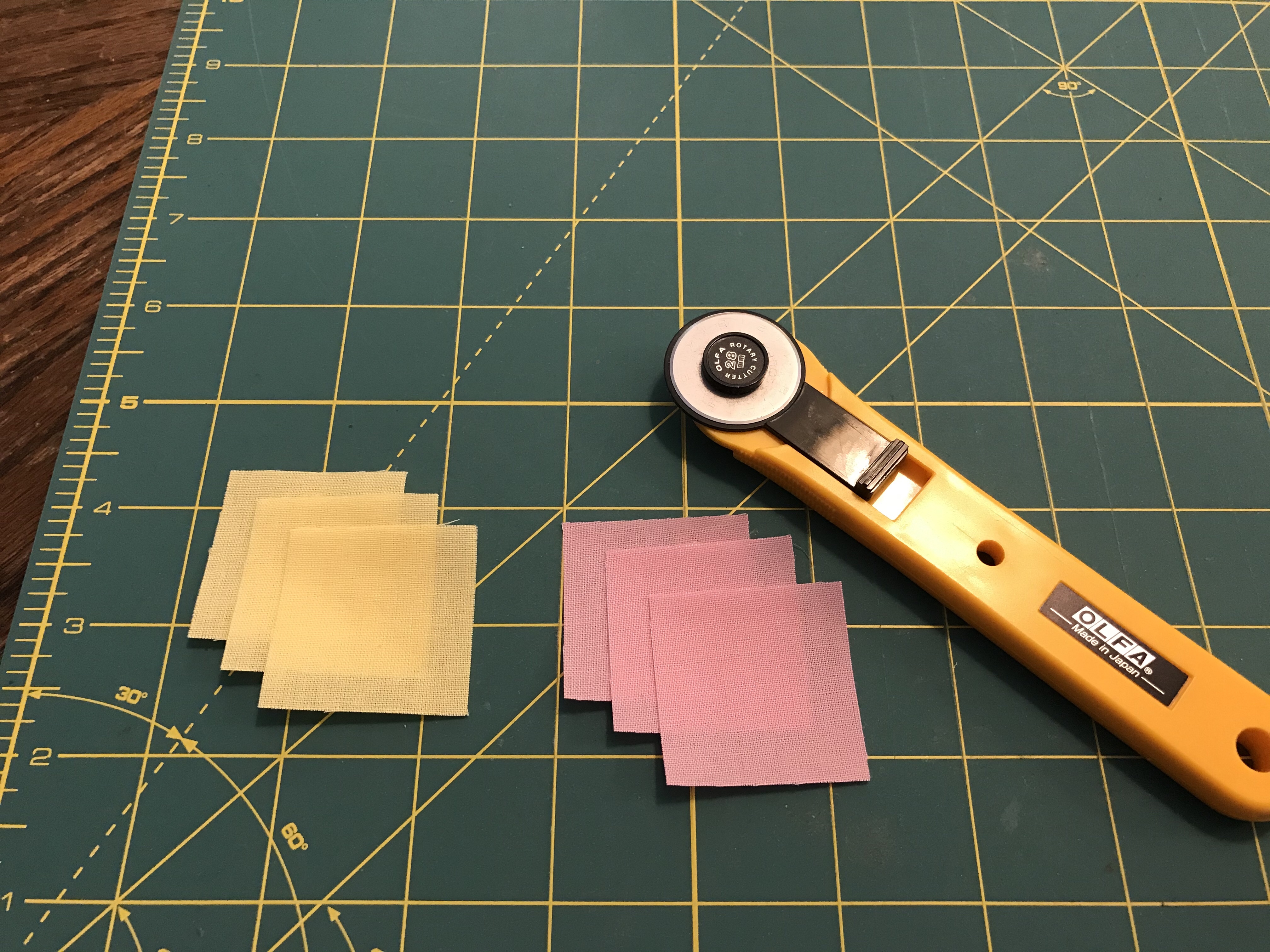
It begins with a cloth square. The size of the square determines the size of the hair piece. Most squares are 0.75 to 1.5 inch size, but I recommend using 1.5 inch size squares when you are just beginning, since it is easier to practice the folding techniques with larger ones. I mentioned patience, but when you make your squares, precision is very important. In this way, it is a lot like origami. In order to get a perfect square, recommend to use a cutting mat with scale on and a rotary cutter.

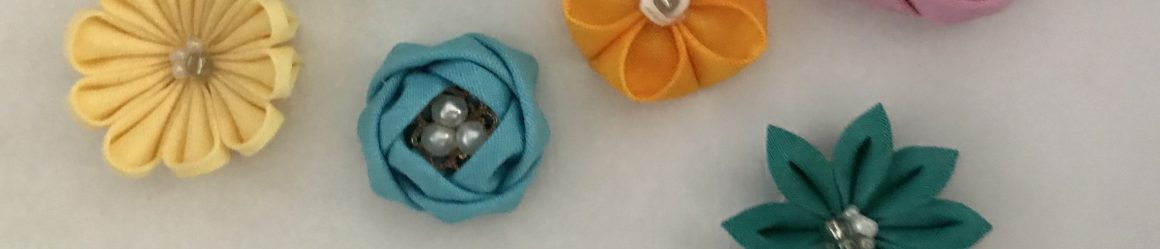
A basic tsumami zaiku flower uses 5 squares, but it differs depending on what you are making.

Then, it’s just tucking the square cloth and gluing it down, which creates the shape of a flower petal. There are 2 main tucking methods:

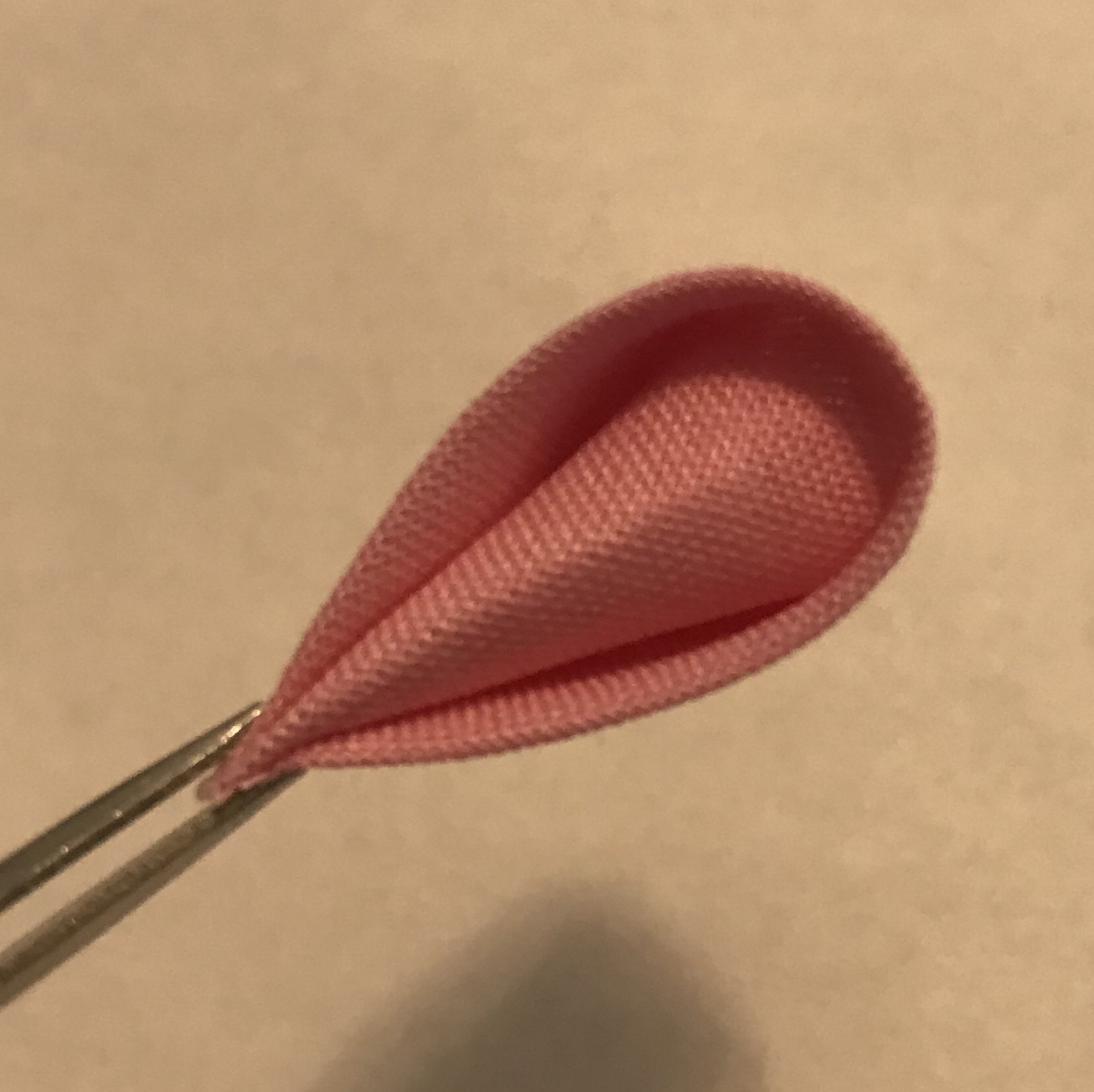
One is called “Maru-tsumami.” “Maru” means round in Japanese, so the edge becomes round using this way.

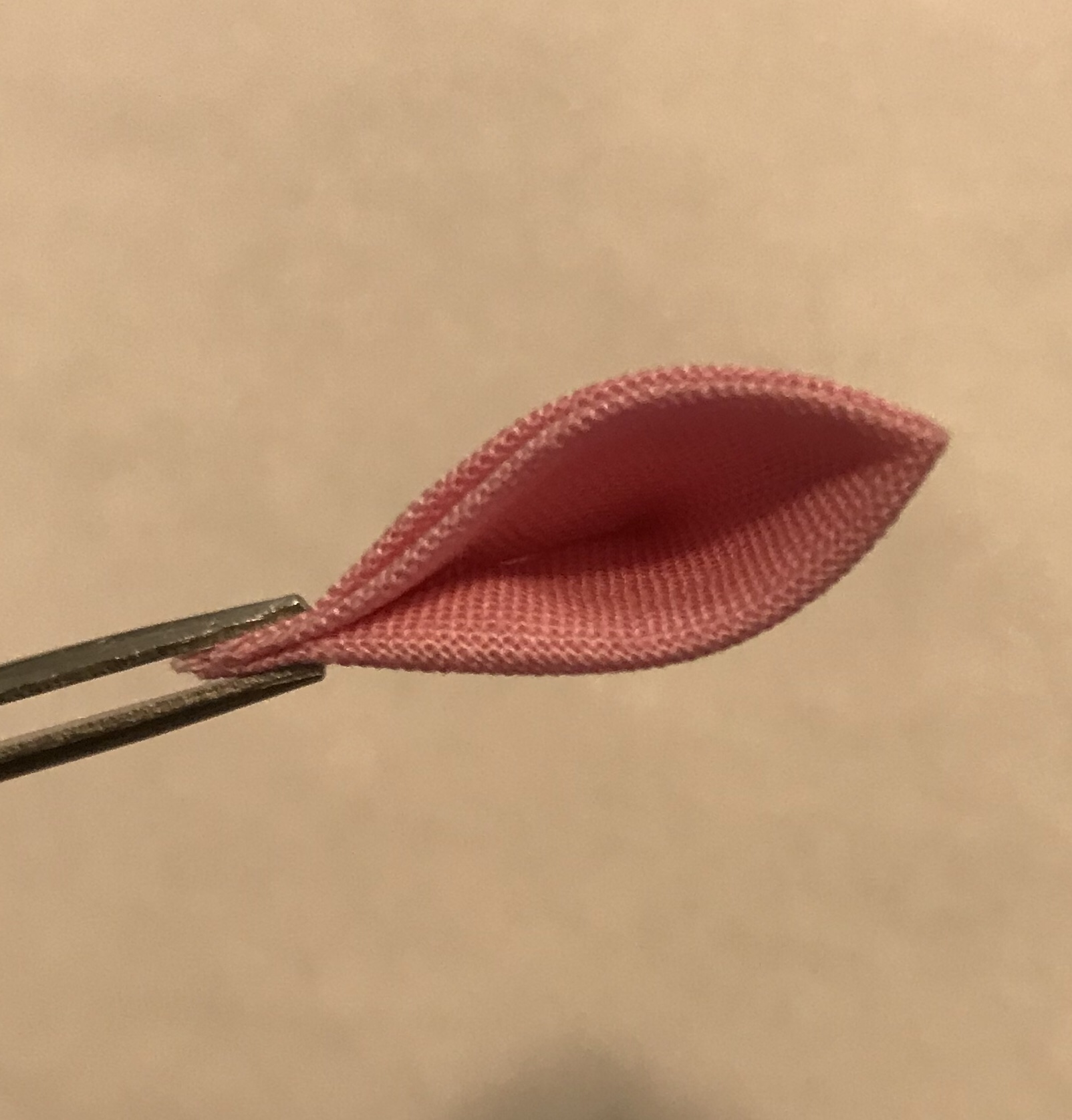
The other is “Ken-tsumami.” “Ken” means sword, so the edge becomes sharp like a sword.

Traditionally, starch was used for glue, but modern tsumami zaiku craftspeople buy their glue at the store. You can use regular glue, but I find that Aleene’s “Fast Grab Tacky Glue” works better on fabric and oparation.

After you have created the individual flower petals, you arrange them together to make the flower itself. You can make infinite kinds of creations with different combinations of tucking, colors, sizes, and arrangement.

The process of making the petals and arranging them is not difficult, but it does take patience. I find the process meditative and use it to clear my mind. Tsumami zaiku, like many traditional Japanese crafts, can be used to calm and center oneself. I hope after trying it yourself, you will come to love making tsumami zaiku accessories as much as I do!